All-in-One POS vs Traditional Cash Register: Which Is Better for Modern Businesses?
May 26, 2026In today’s fast-changing retail and hospitality landscape, businesses need more than just a way to process payments. The debate around POS vs cash register has become increasingly important as companies look for smarter, faster, and more scalable solutions to manage operations.
While traditional cash registers were once the standard for retail stores and restaurants, modern all-in-one POS systems now offer advanced business management tools that go far beyond simple transactions. But which option is right for your business?
This guide compares all-in-one POS systems and traditional cash registers in terms of functionality, cost, efficiency, and long-term value.

A traditional cash register is a basic device used to calculate sales, store cash, and print receipts. These systems have been used in retail for decades and are designed mainly for handling transactions.
Traditional cash registers are typically easy to use and require minimal training. For very small businesses with limited daily transactions, they may still serve a practical purpose.
However, as customer expectations and business operations become more digitalized, cash registers often lack the flexibility and intelligence modern businesses require.
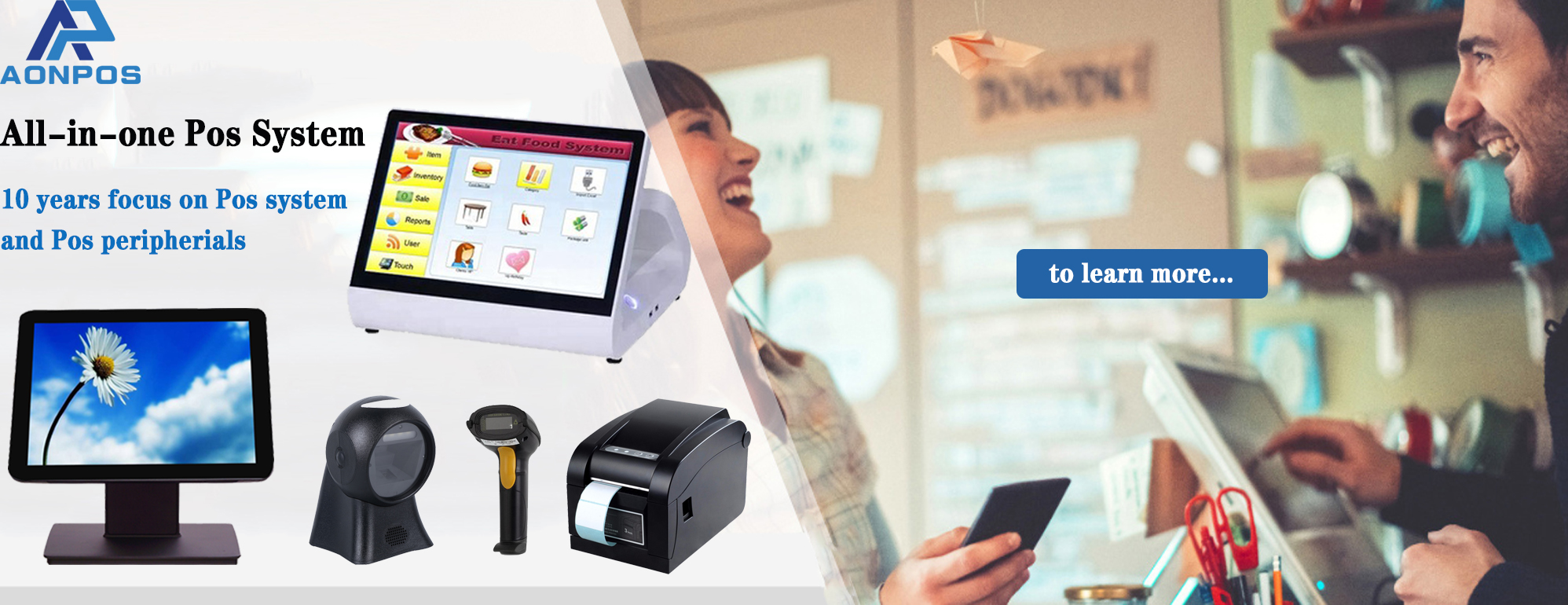
An all-in-one POS (Point of Sale) system combines payment processing, inventory management, customer analytics, employee management, and reporting tools into one integrated platform.
Unlike conventional cash registers, POS systems are designed to help businesses streamline operations and improve customer experiences.
Brands like Aonpos provide integrated POS solutions that support retailers, restaurants, supermarkets, and hospitality businesses looking for scalable and efficient operations.
The biggest difference between a POS system and a cash register is functionality.
A cash register mainly focuses on processing sales transactions. It records purchases, stores cash, and prints receipts.
A POS system acts as a complete business management solution. In addition to payment processing, it can track inventory, generate sales reports, manage employees, and even support online ordering.
If your business needs operational insights and automation, a POS system offers significantly more capabilities.
Inventory management is where modern POS systems outperform traditional cash registers.
Most cash registers do not track inventory automatically. Employees often need to manually count stock and update records separately.
An all-in-one POS automatically updates inventory after every sale. This helps businesses:
For businesses with multiple products or locations, this feature can save substantial time and labor costs.
Business data is essential for growth.
Traditional cash registers provide limited reporting, often only basic daily sales totals.
Modern POS systems generate detailed analytics, including:
Solutions from companies such as Aonpos often include real-time reporting dashboards that help businesses make data-driven decisions.
Consumer payment preferences have evolved rapidly.
Traditional registers primarily support cash transactions and sometimes basic card terminals.
Modern POS systems support:
This flexibility improves customer convenience and speeds up checkout processes.
Today’s customers expect fast, seamless service.
Traditional systems may slow down operations during busy hours due to manual processes.
All-in-one POS solutions improve customer experience through:
In industries such as restaurants and retail, efficient service can directly impact customer retention.
As businesses grow, operational complexity increases.
Cash registers are difficult to scale across multiple stores or channels.
Cloud-based POS platforms allow businesses to:
This makes POS systems more suitable for growing businesses and franchise operations.
Traditional cash registers usually have lower upfront costs. Small standalone models can be relatively inexpensive, making them attractive for startups with limited budgets.
However, they may require:
Over time, these inefficiencies can increase operational expenses.
POS systems generally involve higher initial investment because they include software, hardware, and advanced functionality.
Yet many businesses find that the long-term benefits outweigh the cost through:
Modern providers like Aonpos offer scalable POS hardware and software solutions suitable for businesses of different sizes.
A traditional cash register may still work well for:
If your operation is simple and transaction volume is low, a cash register can remain a cost-effective option.
An all-in-one POS system is ideal for:
If your company needs operational visibility, inventory automation, and modern payment capabilities, investing in a POS system is often the smarter long-term decision.
When comparing POS vs cash register, the right choice depends on your business size, operational complexity, and future growth plans.
Traditional cash registers are simple and affordable, but they offer limited functionality. In contrast, all-in-one POS systems provide advanced business management tools that help companies improve efficiency, customer experience, and profitability.
As digital payments and data-driven operations continue to shape the retail and hospitality industries, more businesses are transitioning from traditional cash registers to integrated POS solutions.
For businesses seeking scalable and modern technology, companies like Aonpos provide solutions designed to support both current operations and future expansion.
Tel / Whatsapp : +86 -15999943922
بريد إلكتروني : nikki@aonpostech.com


© 2026 شنتشن Aonpos التكنولوجيا المحدودة .كل الحقوق محفوظة