Aonpos الكل في مكان واحد
  • Dual-Screen vs. Single-Screen POS Systems: Which is Best for Your Business?
    Dual-Screen vs. Single-Screen POS Systems: Which is Best for Your Business? Jan 04, 2026
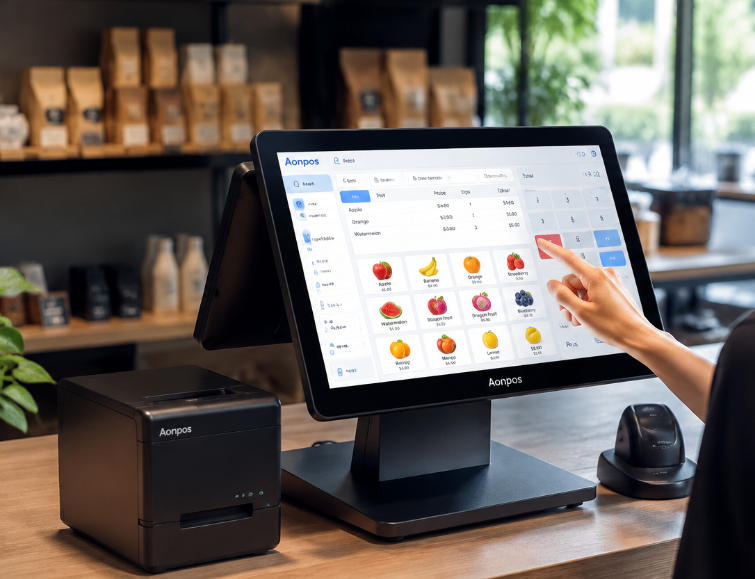
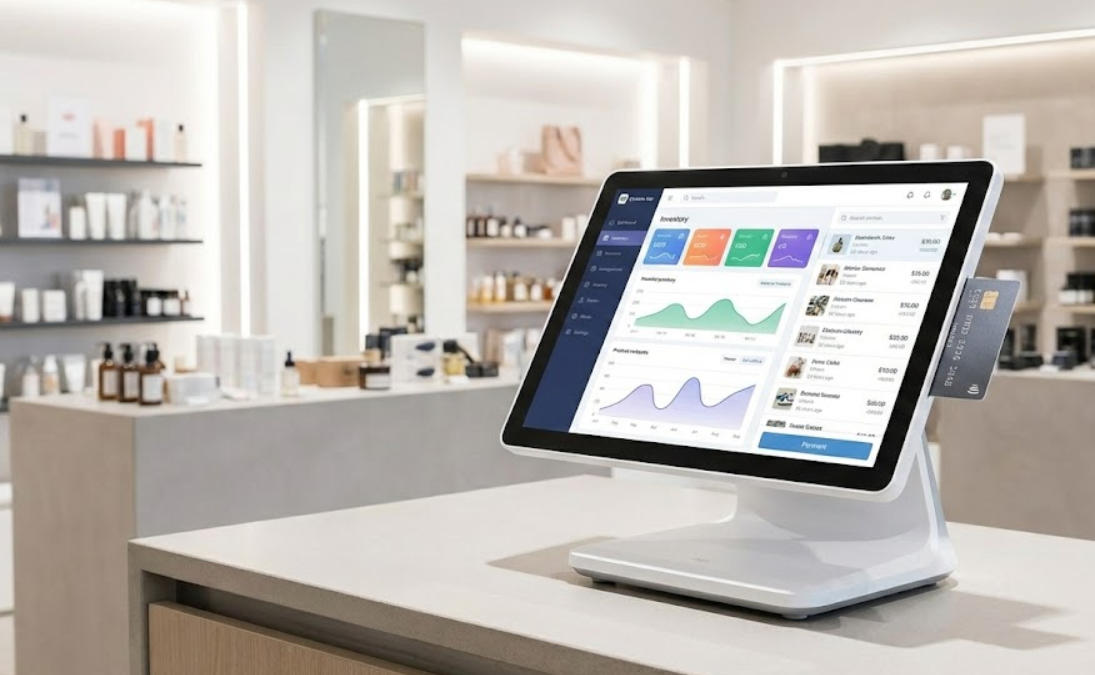
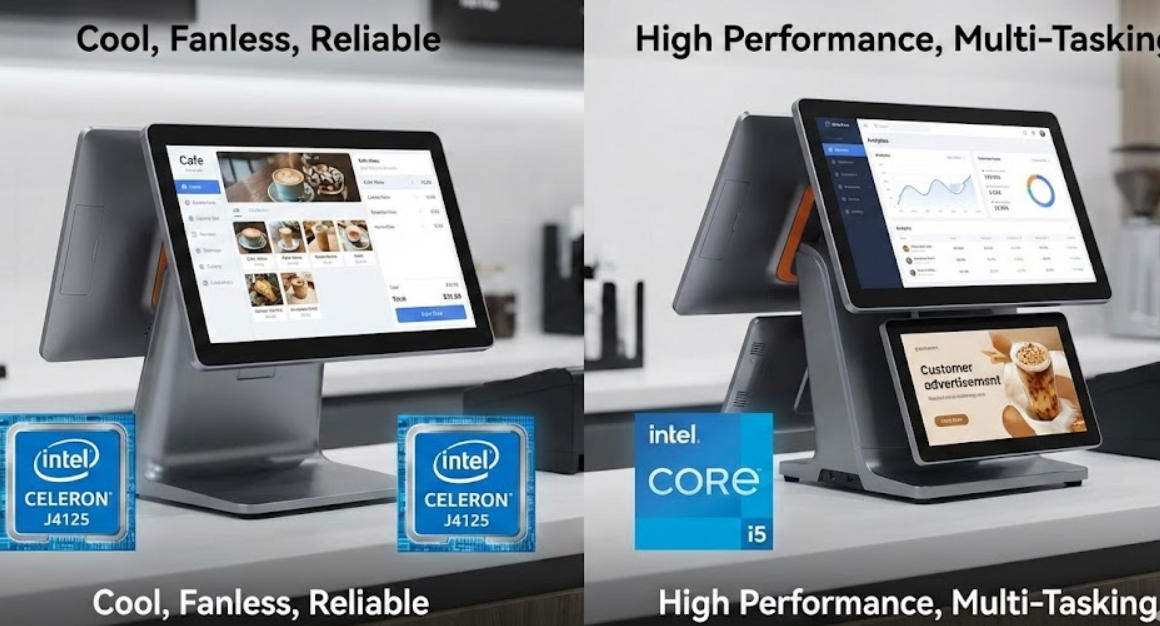
    If you've recently visited a high-end boutique or a bustling local cafe, you may have noticed this: those clunky, single-screen cash registers are disappearing. In their place are sleek, dual-screen systems that look more like high-tech workstations than credit card terminals.But if you're a business owner considering hardware (such as the Aonpos Professional Series), you might be wondering: Is that second screen just for show, or can it actually help me increase my profits? Let's take a look at the practical differences between single-screen and dual-screen setups, and why that extra piece of glass might be the best employee you've ever hired.Let's look at the practical friction between single-screen and dual-screen setups, and why that extra piece of glass might be the best employee you've ever hired. Single-screen setup: Simple, but is it enough? Single-screen POS systems (such as the compact Aonpos AP14) are a classic choice. They are small, affordable, and fully functional. If you run a small pop-up shop or bar with limited space, this is often your preferred option.However, this "simplicity" also hides a cost. In a single-screen environment, customers are essentially kept in the dark. They have to trust that the cashier has entered the correct price, that discounts have been applied, or that they haven't accidentally double-clicked on that expensive bottle of wine. This lack of transparency can lead to awkward "Wait, how much is that?" moments, slowing down the checkout process and causing unnecessary friction. The advantages of a dual-screen system: Transparency and building trust When you adopt a dual-screen system—such as the Aonpos AP15D—everything changes. You'll have a 15.6-inch main touchscreen for your employees and a secondary display screen facing the customer.This is why a second screen—the customer-facing display (CFD)—is actually very important: Accuracy at a glance: Customers can see the results during the item scanning process and spot errors before payment is processed. This not only saves employees the hassle of processing refunds but also speeds up the checkout process. Build professional credibility: When customers see a clear and concise list on a dedicated screen, it creates a psychological sense of "trust." This makes your business appear more professional, modern, and trustworthy. "The Silent Salesperson": The second screen is an excellent display space while customers wait for their receipts. You can use it to showcase QR codes for loyalty programs, weekend promotions, or even new menu items. This marketing method feels unobtrusive and doesn't come across as pushy. Choosing the right hardware to get the job done is crucial. If you prefer a dual-monitor setup, you can't just pick any monitor. You need one that can handle the demanding workload of a busy retail day.Aonpos's modern terminals utilize high-performance Intel processors (such as the J4125 or the more powerful Core i5), meaning the software won't lag even when there's a long queue of customers. Furthermore, with a 10-point capacitive touchscreen, the interaction experience is as smooth as using a smartphone—no more needing to tap the screen three times for a button to respond, as was the case before. Which model should you buy? If you have a minimalist setup, such as a coffee kiosk or a mobile "food truck"-style business, where counter space is your biggest constraint, then choose a single-screen display.If you run a retail store, a full-service restaurant, or any business that wants to build a customer loyalty program, choose a dual-screen system. Customers can enter their phone number or email address on their own screen, which is a huge advantage for data collection. Frequently Asked Questions: What You Need to Know Will a second screen make the POS system harder to use? Absolutely not. The second screen is usually "mirrored" or controlled by the same software. Your employees won't need to do any extra work; the system handles the display automatically. Can I display advertisements on the customer screen? Yes! This is one of its biggest advantages. Most modern POS software allows you to upload images or videos to the customer-facing screen, turning your checkout counter into a digital billboard. What if you don't have enough space? Models like the Aonpos AP05 are specifically designed to be "all-in-one." They cleverly integrate the screen, printer, and even a scanner into a compact unit, allowing you to have full POS system functionality without taking up the entire counter space. Ultimately, the POS system is the last point of contact before customers leave. A dual-screen system ensures this final interaction is transparent, professional, and efficient. If you're considering an upgrade, take a look at the Aonpos POS system series to find a system that matches your store's style.
  • How to integrate a third-party payment SDK into a self-service kiosk?
    How to integrate a third-party payment SDK into a self-service kiosk? Jan 03, 2026
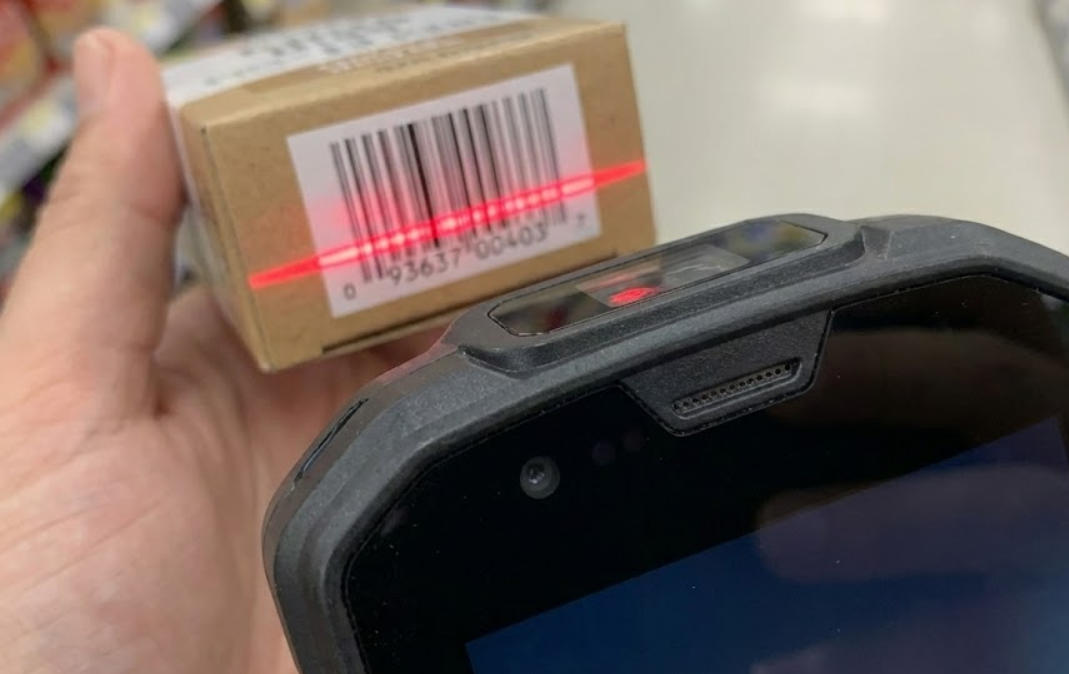
    As the demand for unattended retail grows, businesses are shifting toward self-service models to reduce overhead and improve customer experience. However, the bridge between a self-service kiosk and a secure payment gateway is often the most complex part of the build. This guide provides a technical deep-dive into integrating third-party payment SDKs into kiosk environments, featuring insights on high-performance hardware like the AonpoTech APK06 Series. Frequently Asked Questions: Kiosk Payment Integration 1. What is the best architecture for kiosk payment integration? For self-service kiosks, the Semi-Integrated Architecture is the industry standard. How it works: Your kiosk application sends a transaction request (amount, currency) to the payment terminal via an SDK or API. The terminal handles the sensitive card data and encryption, returning only a "Success" or "Failure" token to the kiosk. Why it’s better: It keeps your primary kiosk software out of "PCI Scope," meaning you don’t have to undergo rigorous security audits for your entire app, only for the payment terminal itself. 2. How do I bridge a web-based kiosk app with local payment hardware? Many modern kiosks, such as those built on AonpoTech’s Intel-based PK1851 terminals, run on web technologies (HTML/React). To communicate with a local USB or Serial card reader: Use a Local Agent: Run a small background service (in C# or Node.js) on the kiosk OS that listens for WebSocket requests from your web app and translates them into hardware commands for the SDK. Browser-to-Hardware: Utilize the WebUSB or WebSerial API if your payment provider supports direct browser communication. 3. Does my kiosk hardware affect the SDK integration? Absolutely. The stability of your integration depends on the OS compatibility and peripheral support of the kiosk. Android vs. Windows: AonpoTech kiosks support both RK3568 (Android) and Intel J4125/i5 (Windows) configurations. Ensure your chosen SDK provides a library for the specific OS you are deploying. Modular Expansion: Kiosks like the AonpoTech APK06 feature modular designs, allowing you to easily swap or add NFC readers, thermal printers, and QR scanners, which must all sync with your SDK logic. 4. How do I handle "Unattended" payment compliance? Integrating a mobile SDK (like a standard phone-based reader) is often a violation of terms for kiosk use. You must use a solution specifically certified for Unattended Use. Ensure the hardware is PCI PTS (Pin Transaction Security) certified. The SDK must support "Heartbeat" monitoring to alert your server if the payment module is disconnected or tampered with. 5. Can I integrate QR Code payments and Card payments in the same SDK? Most modern SDKs (like Adyen or Stripe) support "Unified Commerce." However, if your kiosk uses a dedicated QR scanner (standard in AonpoTech models), you may need to handle the QR scan via a local hardware driver and then send the payload to your payment gateway’s API for authorization. Step-by-Step Technical Integration Workflow Hardware Selection: Start with an industrial-grade kiosk like the AonpoTech Smart Digital Kiosk. Its capacitive touchscreen and built-in 80mm thermal printer provide the necessary interface for payment receipts. SDK Initialization: Load the provider’s library (e.g., .dll for Windows or .aar for Android) and initialize the connection to the payment terminal using the COM port or IP address. The Handshake: Implement a "System Check" on startup to ensure the printer has paper and the payment terminal is online before allowing a user to start an order. Transaction Loop: * Kiosk app calculates the total. App calls the SDK startTransaction(amount) method. SDK takes over the screen or terminal UI for PIN entry/Tap. App receives a JSON response with the transaction ID. Receipt Generation: Use the kiosk’s integrated thermal printer to print the transaction record, ensuring you include the mandatory fields required by the payment provider (AID, TVR, etc.). Why Choose AonpoTech for Your Payment Kiosk Project? Integrating software is only half the battle; the hardware must be resilient. AonpoTech’s self-service kiosks are designed with developers in mind: High Performance: With options up to Intel i7 and 16GB RAM, your kiosk app and payment SDK will run without lag. Modular Flexibility: The APK06 series responds to modern business needs by allowing different modules for different solutions (NFC, Scanning, Printing). Industrial Durability: Waterproof and modern designs ensure that your payment terminal remains functional in high-traffic environments.
  • Why Does My Self-Service Kiosk Keep Restarting?
    Why Does My Self-Service Kiosk Keep Restarting? Jan 01, 2026
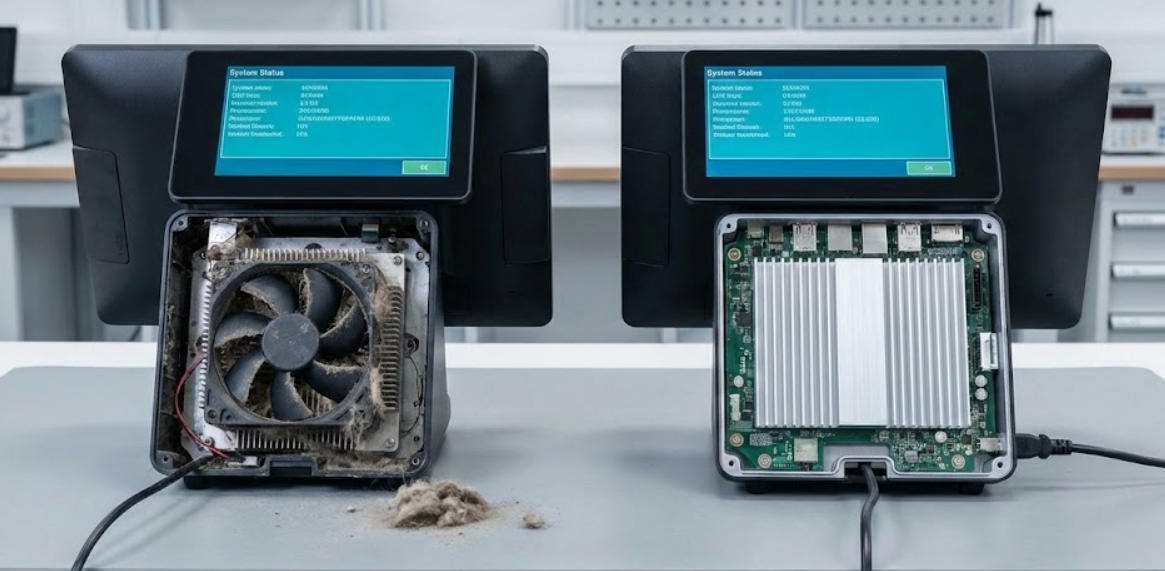
    In the world of automated retail and hospitality, a self-service payment kiosk is the backbone of efficiency. However, few things are more frustrating for both business owners and customers than a machine that frequently restarts or enters a "boot loop." Frequent reboots don’t just cause downtime; they lead to lost revenue and a poor brand image. In this guide, we explore the primary technical reasons behind kiosk instability and how choosing industrial-grade hardware, such as Aonpostech Self-Service Kiosks, can prevent these issues. 1. Unstable Power Supply and Voltage Fluctuations The most common cause of spontaneous restarts is the power source. Unlike consumer PCs, a self-service payment kiosk often houses multiple peripherals (thermal printers, card readers, scanners) that all draw power simultaneously. The Issue: If the input voltage drops (a "brownout") or surges, the Power Supply Unit (PSU) will restart the system to protect the motherboard. The Solution: Always use a dedicated Online UPS. Aonpostech kiosks are designed with industrial-grade power management to handle the high-current demands of integrated payment components. 2. Thermal Throttling and Overheating Self-service kiosks often operate 24/7 in enclosed spaces or high-traffic outdoor environments. The Issue: If dust clogs the internal fans or the thermal paste on the CPU dries out, the system temperature will spike. To prevent permanent damage, the motherboard initiates a thermal shutdown. Aonpostech Advantage: High-quality kiosks utilize superior heat dissipation designs and industrial cooling fans to ensure stable performance even in demanding environments. 3. Peripheral Hardware Conflicts A kiosk is a complex ecosystem of hardware. A faulty receipt printer, a short-circuiting QR scanner, or a loose USB connection can send "noise" back to the motherboard. The Issue: A "USB Device Not Recognized" error or a driver crash for a peripheral can trigger a Blue Screen of Death (BSOD), resulting in a reboot. Maintenance Tip: Regularly check internal connections. Ensuring your hardware is sourced from a reliable manufacturer like Aonpostech ensures that all modules (printers, card readers, and screens) are fully compatible and rigorously tested. 4. Software Memory Leaks and OS Updates Sometimes the hardware is perfect, but the software is at fault. The Issue: If the kiosk application has a "memory leak," it will slowly consume all available RAM until the operating system crashes. Additionally, forced Windows or Linux updates may trigger restarts at the most inconvenient times. The Solution: Optimize your kiosk software and disable "Auto-Updates" in favor of scheduled maintenance windows. 5. Faulty RAM or SSD Storage If your kiosk restarts during specific tasks—like processing a payment or loading a video—the internal memory (RAM) or the storage drive (SSD) might be failing. The Issue: A "bit flip" in a faulty RAM stick or a bad sector on an SSD will cause an immediate system crash. Pro Tip: Use industrial-grade SSDs and RAM. Aonpostech utilizes high-performance internal components to ensure long-term stability under heavy daily use. Quick Troubleshooting Table Symptom Likely Cause Suggested Action Restarts during printing Power Supply (PSU) overload Check PSU wattage/Replace printer Restarts in the afternoon Overheating Clean dust filters / Check ventilation Restarts after a card swipe Peripheral Driver Conflict Update card reader drivers Infinite boot loop OS Corruption / SSD Failure Reinstall OS or replace SSD Conclusion: Reliability Starts with Hardware While software tweaks can help, the stability of a self-service payment kiosk ultimately depends on the quality of its build. Choosing a professional partner like Aonpostech ensures your business is powered by industrial-grade motherboards, robust enclosures, and certified peripherals designed to withstand the rigors of 24/7 operation. Are you looking for a more reliable self-service solution? Explore the full range of Aonpostech Payment Kiosks and reduce your downtime today.
  • Android vs. Windows Self-Service Kiosks: Which Is Right for Your Business?
    Android vs. Windows Self-Service Kiosks: Which Is Right for Your Business? Dec 28, 2025
    In the modern landscape of retail and hospitality, the choice of a self-service kiosk is no longer just about the screen size—it is about the "brain" powering the experience. As businesses transition to automated checkout, the debate between Android-based and Windows-based systems has become a pivotal decision for ROI. At AonPostech, we provide industrial-grade hardware for both ecosystems. Here is a deep dive into the technical and operational differences to help you choose. 1. Technical Architecture & Performance The primary difference lies in the hardware architecture and processing power. Android Kiosks: Typically powered by ARM-based processors (like the Rockchip RK3568 found in our APK06 series). They are highly energy-efficient, generate less heat, and offer a "mobile-native" feel that mirrors the smartphones your customers use daily. Windows Kiosks: Utilize x86 architecture (Intel Core i3/i5/i7). These are "powerhouse" machines designed for heavy multitasking. If your kiosk needs to run complex local databases or high-end graphics alongside a POS system, Windows is the industry standard. 2. Total Cost of Ownership (TCO) When scaling a fleet of kiosks, cost is a major factor. Android: Generally offers a lower entry price. Since the OS is open-source, there are no heavy licensing fees. Maintenance is often streamlined via Mobile Device Management (MDM) software. Windows: Requires a paid license (Windows 10 IoT or Pro). While the upfront cost is higher, Windows offers a longer lifecycle for industrial models—often 5 to 7 years of stable operation in high-traffic environments. 3. Comparison Table: At a Glance Feature Android (e.g., AonPostech RK3568) Windows (e.g., Intel i5 Series) Best For QSR, Ticketing, Simple Retail Pharmacy, Grocery, Legacy ERP User Interface Intuitive, Touch-First Powerful, Multi-Window Licensing Low to None High (Standard License Fees) Connectivity Cloud-Native, Bluetooth/Wi-Fi Legacy USB, Serial, On-Premise Security App Sandboxing Enterprise-Grade (Active Directory) Why Hardware Quality Matters: The AonPostech Advantage Regardless of the OS, the hardware must be built for 24/7 "Always-On" reliability. AonPostech kiosks, such as the AP022 and APK06, are engineered with: Modular Design: Swap printers, scanners, or NFC modules in minutes without replacing the whole unit. Industrial Cooling: Aluminum alloy and ABS plastic chassis prevent thermal throttling, a common cause of system crashes in "budget" consumer-grade kiosks. High-End Peripherals: Integrated 80mm thermal printers and high-sensitivity QR scanners ensure a zero-friction checkout. Frequently Asked Questions (FAQ) Is Android or Windows more secure for handling payments? Both are secure, but they handle data differently. Android uses "sandboxing," which isolates the payment app from the rest of the system, making it very hard for malware to spread. Windows offers deeper integration with enterprise security tools like Windows Defender and BitLocker, which is preferred by IT departments managing large corporate networks. Can I run my current Windows POS software on an Android kiosk? No, they are built on different codebases. However, most modern software providers now offer web-based or cloud-native versions of their POS, which run perfectly on Android systems. If you have a legacy system that must run locally, a Windows-based model like the AonPostech PK1851 is the correct choice. Which system is easier to maintain remotely? Android is the winner for remote management. Using MDM tools, you can push app updates, lock the screen into "Kiosk Mode," and troubleshoot devices across thousands of locations from a single dashboard. While Windows supports remote desktop and Group Policy, it often requires more technical expertise to manage at scale. Do AonPostech kiosks support customization? Yes. We specialize in OEM/ODM services. Whether you need a 15.6-inch desktop unit or a 32-inch floor-standing ordering terminal, we can customize the CPU, RAM, and peripheral modules to fit your specific OS choice and branding. Final Verdict: Which should you choose? Choose Android if you are a Quick Service Restaurant (QSR) or boutique retail store looking for a cost-effective, sleek, and easy-to-manage solution. Choose Windows if you are a large-scale enterprise with complex security requirements or need to integrate with legacy hardware that requires specific Windows drivers. Ready to upgrade your customer experience? Explore the AonPostech Kiosk Range to find the perfect match for your business.
  • Does the Aonpos Self-Service Kiosk Support a Wired Network Connection (RJ45)?
    Does the Aonpos Self-Service Kiosk Support a Wired Network Connection (RJ45)? Dec 27, 2025
    In the world of automated retail and hospitality, internet stability is the backbone of a successful customer experience. One of the most frequent questions we receive from IT managers and business owners is: "Does the Aonpos self-service kiosk support a wired network connection via RJ45?" The short answer is yes. All Aonpos self-service payment kiosks are designed with a standard RJ45 Ethernet port to ensure your business remains online and secure 24/7. Why Wired Connectivity (RJ45) Matters for Kiosks While Aonpos kiosks come equipped with high-speed built-in Wi-Fi, a wired LAN (Local Area Network) connection is the industry gold standard for several critical reasons: 1. Unmatched Transaction Security For kiosks handling sensitive financial data, security is paramount. A wired RJ45 connection is significantly harder to intercept or "spoof" than wireless signals, making it the preferred choice for PCI-compliant payment environments. 2. Reliable 24/7 Uptime In busy environments like shopping malls or quick-service restaurants, Wi-Fi signals often suffer from interference. A hardwired connection eliminates "dead zones" and signal drops, ensuring that your Aonpos APK07 or AP022 model never misses a transaction. 3. Gigabit Speeds for Large Data Transfers Whether you are updating high-resolution digital signage content or syncing inventory across a cloud network, our kiosks support 10/100/1000 Mbps Gigabit Ethernet. This ensures lag-free performance even during peak hours. Technical Specifications & Port Location Aonpos kiosks feature a modular I/O design. On most models, such as the Aonpos APK07 Smart Digital Kiosk, the RJ45 port is located within the internal cable management compartment. Port Type: Standard RJ45 (8P8C) Network Standard: IEEE 802.3 OS Compatibility: Supports Windows (7/10/11) and Android (7.1 to 11.0) configurations. Cable Recommendation: We recommend using Cat6 shielded cables to prevent electromagnetic interference (EMI) from nearby electronic equipment. Installation Tip: Hidden Cable Management To maintain the sleek aesthetic of your storefront, Aonpos kiosks are designed with internal routing paths. The Ethernet cable can be fed through the base of the stand or the rear of the wall mount, keeping the wires hidden from the public and protected from accidental disconnection. Frequently Asked Questions (FAQ) Can the kiosk use Wi-Fi and Ethernet simultaneously? Yes, the system allows you to configure a "Failover" mode. You can set the wired RJ45 connection as your primary source and use the built-in Wi-Fi as a backup to ensure zero downtime. Does Aonpos support Power over Ethernet (PoE)? Standard models require a dedicated DC power supply (included). However, because Aonpos offers OEM/ODM customization, we can work with your engineering team to integrate PoE solutions for specific project requirements. Which Aonpos models have the RJ45 port? The RJ45 LAN port is a standard feature across our entire self-service line, including the AP022 series, APK06, and the 27-inch APK07 ordering kiosk. Stable connectivity is not just a feature; it’s a business necessity. By supporting RJ45 wired network connections, Aonpos provides a professional-grade solution that combines speed, security, and reliability. Ready to upgrade your business? Explore the Full Range of Aonpos Payment Kiosks Here or Contact our Technical Team for custom networking specifications.
  • Can self-service machines be placed in places with high humidity, such as train stations or near the seaside?
    Can self-service machines be placed in places with high humidity, such as train stations or near the seaside? Dec 26, 2025
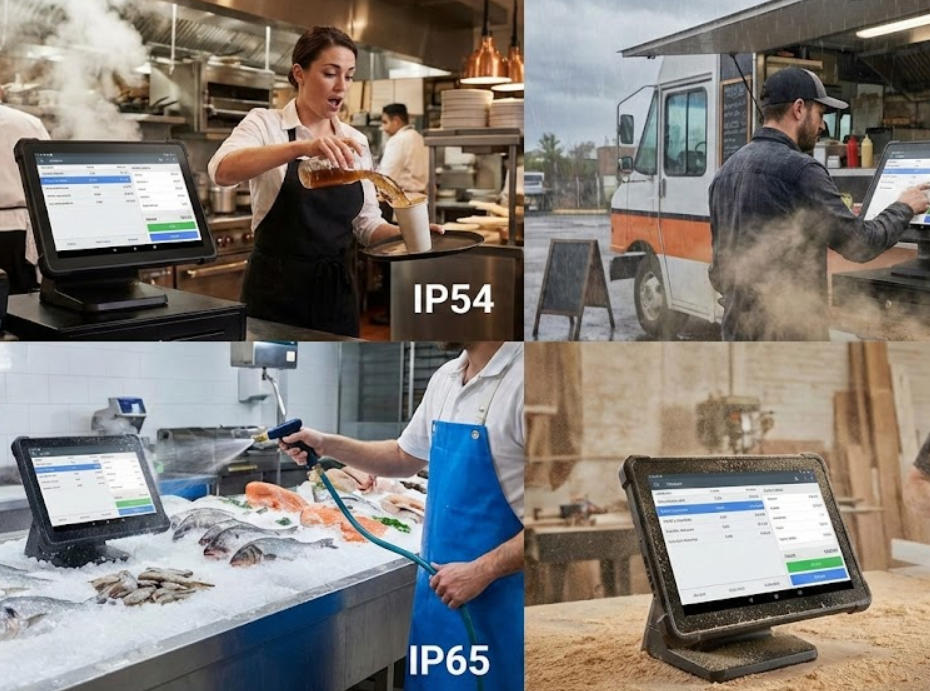
    The Ultimate Guide to Deploying Self-Service Kiosks in High-Humidity and Coastal Environments For businesses expanding their digital footprint into high-traffic areas—such as bustling train stations or scenic seaside piers—the environment is the biggest hurdle to hardware longevity. High humidity, salt-laden air, and rapid temperature fluctuations can destroy standard electronics in months. In this guide, we explore the technical requirements for deploying self-service payment kiosks in challenging climates and how to ensure your investment stands the test of time. 1. Understanding the Challenges: Humidity vs. Hardware In environments like underground train stations or coastal boardwalks, humidity levels often exceed 80%. This leads to three primary hardware killers: Electronic Corrosion: Moisture causes "creeping" corrosion on circuit boards, leading to intermittent failures or total system shorts. Condensation & Dew Point: When warm, humid air hits a cool kiosk surface, condensation forms inside. This is particularly dangerous for thermal printers and card readers. Saline Oxidation: For seaside locations, salt spray acts as a catalyst for rust, eating through standard powder-coated steel within a single season. 2. Essential Technical Standards for Humid Environments To combat these issues, hardware must meet specific industrial benchmarks. IP Ratings: The First Line of Defense When selecting a kiosk, look for the Ingress Protection (IP) rating. For high-humidity indoor areas (train stations), an IP54 rating is often sufficient. However, for true outdoor or seaside deployment, IP65 or IP66 is mandatory. This ensures the unit is sealed against both micro-dust and high-pressure water jets (or heavy rain). Material Science: Beyond Standard Steel Standard kiosks use cold-rolled steel. For high-humidity areas, materials must be upgraded: 304/316 Stainless Steel: 316-grade is the "marine grade" standard, containing molybdenum to resist chloride (salt) corrosion. Industrial Powder Coating: A multi-layer outdoor-grade coating provides an additional barrier against moisture. 3. Protecting the "Brain": Internal Climate Control A high-quality self-service kiosk is more than just a metal box; it is a climate-controlled ecosystem. Industrial Dehumidifiers/Heaters: Small internal heating elements keep the internal temperature slightly above the "dew point," preventing condensation from ever forming on the screen or motherboard. Conformal Coating: Leading manufacturers like Aonpostech utilize conformal coating on PCBs. This is a specialized chemical film that waterproofs the electronic components themselves, providing a second layer of protection if moisture does enter the unit. High-Brightness, Anti-Fog Displays: High-humidity often comes with high heat. Industrial screens with optical bonding prevent "fogging" between the glass layers and ensure visibility even in direct sunlight. 4. Maintenance Strategies for Coastal Deployments Even the best-engineered kiosk requires a maintenance plan to combat the elements: Salt Removal: In seaside locations, a monthly wipe-down with fresh water prevents salt crust from building up on ports and sensors. Seal Audits: Every six months, inspect the rubber gaskets and seals. UV rays and humidity can cause seals to crack, compromising the IP rating. Filter Checks: If the kiosk uses fan-based cooling, filters must be cleaned or replaced regularly to maintain airflow. 5. Why Choose Aonpostech for Challenging Environments? At Aonpostech, we specialize in rugged, high-performance self-service payment kiosks designed for diverse global climates. Our kiosks are built with industrial-grade components that offer: Multi-Payment Integration: Secure handling of cash, cards, and QR codes in any environment. Customized Enclosures: Tailored material choices, from reinforced steel to marine-grade finishes. Expert Engineering: Optimized thermal management systems to handle the humidity of a tropical station or the salt air of a coastal pier. Deploying self-service technology in high-humidity areas is entirely possible with the right engineering. By prioritizing IP ratings, material quality, and internal climate control, you can provide 24/7 service to your customers, regardless of the weather. Ready to deploy your next project in a challenging environment? Explore our full range of Self-Service Payment Kiosks and contact our technical team for a custom solution.
  • How to choose a self-service kiosk suitable for your business needs?
    How to choose a self-service kiosk suitable for your business needs? Dec 23, 2025
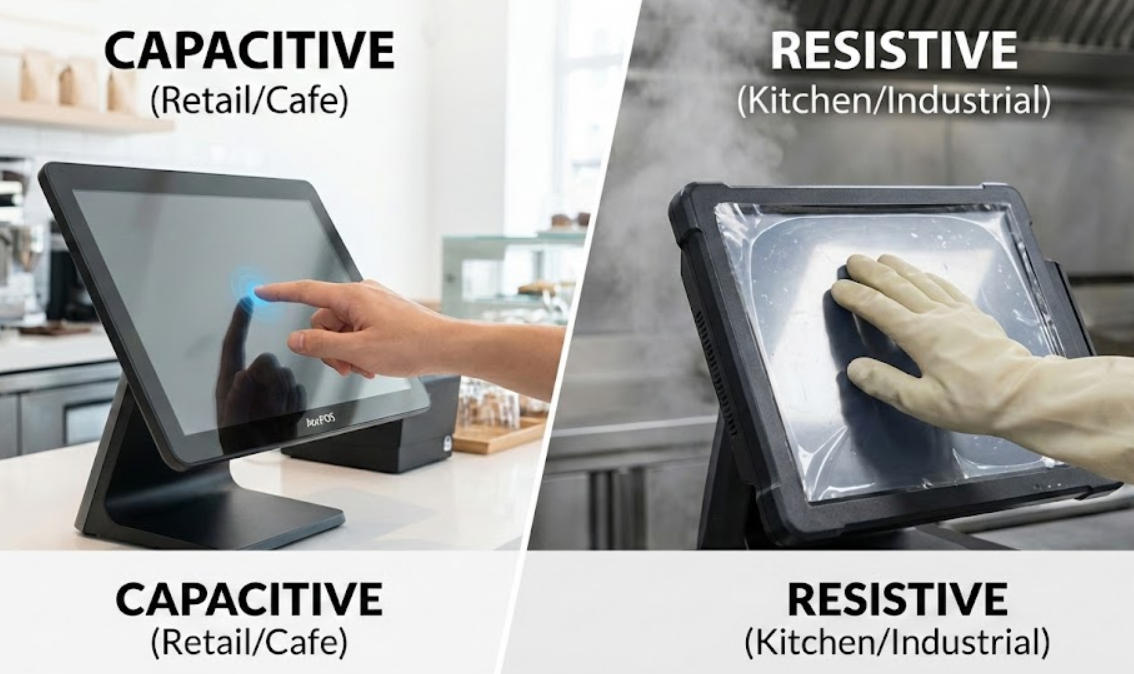
    How to Choose a Self-Service Kiosk: The Ultimate Guide for Your Business In an era where customer speed and efficiency are paramount, implementing a self-service payment kiosk is no longer a luxury—it’s a competitive necessity. Whether you are running a high-traffic restaurant, a boutique retail store, or a medical clinic, the right kiosk can reduce labor costs, eliminate ordering errors, and boost your average transaction value. But with so many options available, how do you choose the right one? This guide answers the most pressing questions businesses face when selecting hardware from industry leaders like Aonpostech. Strategic Planning & Use Cases 1. What are the primary benefits of a self-service kiosk for my business? A kiosk acts as a 24/7 digital employee. Key benefits include: Reduced Wait Times: Customers can order and pay instantly. Increased Revenue: Automated upselling prompts (e.g., "Would you like to add a drink?") typically increase order totals by 20-30%. Labor Efficiency: Staff can focus on order fulfillment and customer service rather than manual data entry. 2. How do I choose between a Floor-standing, Desktop, or Wall-mounted kiosk? The choice depends entirely on your floor plan and traffic: Floor-standing (e.g., Aonpostech APK06): Best for high-traffic lobbies or entrances where you want to capture attention. Desktop/Tabletop: Ideal for small cafes or check-in desks where counter space is limited. Wall-mounted: Perfect for narrow hallways or compact retail environments to save floor space. Hardware & Technical Specifications 3. What screen size is most effective for customer engagement? Size matters based on your industry. 15.6" to 21.5": Standard for retail check-out or bill payment terminals. 27" to 32" (e.g., Aonpostech APK07): Recommended for restaurants and fast-food chains where high-resolution food photography is used to drive sales. 4. What is the advantage of a "Modular" kiosk design? Aonpostech’s APK06 series is built on a groundbreaking modular philosophy. Unlike "all-in-one" units that are hard to repair, a modular design allows you to: Swap out printers or scanners without replacing the entire unit. Customize the hardware (adding NFC, cameras, or specialized card readers) to meet unique business needs. Lower long-term maintenance costs through easy-access components. 5. Windows vs. Android: Which operating system should I choose? Android (e.g., RK3568): Cost-effective, highly stable, and ideal for single-purpose apps like ordering or ticketing. Windows (e.g., Intel i3/i5): Necessary if you need to integrate with complex legacy POS systems or require heavy-duty multitasking. Payments & Security 6. Can these kiosks handle multiple payment methods? Yes. Modern kiosks must be versatile. Aonpostech kiosks support integrated 80mm thermal printers, NFC readers for Apple/Google Pay, and secure housing for EMV chip card readers to ensure PCI-DSS compliance and secure transactions. 7. Are self-service kiosks durable enough for public use? Durability is critical. Look for kiosks with capacitive touch screens (like those in the PK1851 series) which are more responsive and scratch-resistant than older resistive screens. Many Aonpostech models also feature waterproof designs to handle the spills and cleaning routines of the F&B industry. Implementation & Support 8. Does Aonpostech offer customization (OEM/ODM)? Yes. One of the biggest hurdles in kiosk adoption is "fitting in." Aonpostech specializes in OEM/ODM services, allowing businesses to customize the color, branding, and hardware modules (CPU, RAM, Storage) to align perfectly with their corporate identity and software requirements. 9. How easy is it to maintain a self-service terminal? By choosing a terminal with a modular panel PC design, maintenance becomes a "plug-and-play" task. Modular kiosks allow for faster on-site repairs, ensuring your business never suffers from extended downtime. Summary Comparison: Aonpostech Kiosk Models Feature APK06 (Modular) APK07 (Ordering) APK1851 (Bill Payment) Best For Versatile Retail/Custom Fast Food / Restaurants Bill Pay / Invoicing Screen Sizes 15.6" - 23.8" 21.5" - 32" 15.6" - 23.6" Key Strength Modular Component Swapping Visual Impact & Upselling Slim All-in-One Design Mounting Floor / Desktop Floor / Wall Desktop / Floor Ready to Upgrade Your Business Efficiency? Choosing the right kiosk is a balance between hardware reliability and customer experience. At Aonpostech, we provide high-performance, customizable self-service solutions designed to grow with your business. Explore the Aonpostech Self-Service Series
  • Why is There Such a Huge Price Difference in Self-Service Kiosks?
    Why is There Such a Huge Price Difference in Self-Service Kiosks? Dec 22, 2025
    In the world of self-service technology, two kiosks can look identical on a website but differ in price by thousands of dollars. For a business owner, this price gap can be confusing. Is the expensive model a "premium markup," or is the cheap model a "ticking time bomb"? The reality is that the purchase price is only 20% of the total cost of ownership (TCO). To understand the price difference, we must look under the hood at the engineering, component grade, and long-term reliability. 1. Industrial-Grade vs. Consumer-Grade Hardware The most significant price driver is the "Brain" and the "Face" of the kiosk. The Processor (PC): Low-cost kiosks often use consumer-grade Android sticks or basic Atom processors designed for light home use. Professional models, like the Aonpostech AP022, offer scalable Intel Core i3/i5/i7 or high-performance Rockchip (RK3568) processors. These are built for 24/7 "always-on" operation, handling thousands of transactions without overheating or lagging. The Touch Screen: A cheap kiosk may use a resistive screen (pressure-based) or a low-brightness panel. Premium kiosks utilize 10-point capacitive touch screens with high-definition resolution. They are designed for high-traffic durability and remain responsive even after millions of touches. 2. Component Reliability: The "Sum of Parts" A kiosk is only as reliable as its weakest peripheral. Printers & Scanners: High-quality kiosks integrate industrial thermal printers (like the 58mm/80mm units found in Aonpostech models) and high-sensitivity QR scanners. These "industrial-grade" components are designed to prevent paper jams and read cracked phone screens—issues that plague "budget" kiosks and frustrate customers. Modularity: Why does modularity affect price? Modular designs, such as the PK1851 series, allow for easy maintenance. If a printer fails, you swap the module in minutes. In a cheap, "all-in-one" glued unit, a single failed component often means replacing the entire machine. 3. Build Quality and Thermal Management Materials: Budget kiosks often use thin plastic or low-grade sheet metal. High-end models use Aluminum Alloy and ABS Plastic, which offer superior heat dissipation and physical security. Internal Engineering: Electronics generate heat. Professional kiosks are engineered with internal airflow systems. Without this, the CPU will "throttle" (slow down) or fail prematurely, leading to expensive downtime. 4. Safety Certifications and Compliance This is where many low-cost suppliers cut corners. To sell a kiosk legally and safely in global markets, it must pass rigorous testing. Certifications: Professional hardware carries CE, FCC, LVD, and CCC marks. These ensure the device won't cause electrical fires, interfere with other electronics, or leak data. Security: High-value kiosks utilize industry-leading encryption for payment privacy. Saving $500 on a non-certified kiosk can lead to millions in liability if a security breach occurs. Comparison: The True Cost of a Kiosk (3-Year View) Feature Budget Kiosk ($) Aonpostech Industrial Kiosk ($$$) PC Lifecycle 1–2 Years 5–7 Years Operating Time 8 Hours/Day 24/7/365 Maintenance High (Frequent Jams/Crashes) Low (Modular/Industrial Parts) Compliance Often Missing CE, FCC, LVD, CCC 3-Year TCO Very High (Repairs + Downtime) Low (Stable Performance) 5. Frequently Asked Questions (FAQ) Q: Why is a 24-inch screen more expensive than a 15-inch screen? Beyond the glass size, larger screens require more powerful backlighting and more robust mounting brackets to handle the weight. Aonpostech offers sizes from 15.6 to 23.8 inches to fit different space and visibility requirements. Q: Can I just use a consumer tablet as a kiosk? While tempting, consumer tablets are not designed for constant power. Their batteries can swell, and they lack the I/O ports (Serial, LAN, multiple USBs) needed to connect industrial printers and scanners securely. Q: Does the operating system affect the price? Yes. Professional kiosks support Windows 10 Pro, IoT, or Android 11, which require licensing but offer the security and remote management tools businesses need to manage a "fleet" of machines. Conclusion: Value Over Price When choosing a self-service payment kiosk, the cheapest option often becomes the most expensive over time due to lost revenue and repair costs. By investing in industrial-grade hardware with modular designs and global certifications, you ensure your business stays "open" every minute of the day. Ready to upgrade your customer experience? Explore the Aonpostech Kiosk Range for high-performance, customizable solutions.
  • What are the differences between outdoor and indoor self-service kiosks?
    What are the differences between outdoor and indoor self-service kiosks? Dec 21, 2025
    Outdoor vs. Indoor Self-Service Kiosks: 5 Critical Differences You Need to Know The global shift toward automation is no longer a trend—it’s the standard. From fast-food chains to retail giants, businesses are deploying self-service payment kiosks to slash wait times and reduce labor costs. However, one of the most expensive mistakes a business owner can make is choosing the wrong environment for their hardware. Should you invest in an indoor kiosk or a rugged outdoor model? While they may look similar on the surface, the internal engineering is worlds apart. Based on the latest innovations from Aonpos, here are the five critical differences between indoor and outdoor self-service kiosks. 1. Weatherproofing and IP Ratings The most obvious difference is environmental protection. An indoor kiosk, like the Aonpos AP022, is designed for climate-controlled environments like malls or restaurants. It uses high-quality aluminum alloy and ABS plastic to maintain a sleek, professional look. In contrast, an outdoor kiosk must withstand rain, snow, and dust. High-end models feature an IP65 rating, meaning they are completely dust-tight and protected against water jets. Aonpos has pioneered "modular waterproof" designs that allow these machines to operate in demanding "Coffee Pop-Up" or outdoor market scenarios without risking internal circuitry. 2. Display Visibility (Nits and Brightness) Have you ever tried to read your phone screen in direct sunlight? It’s nearly impossible. Indoor Kiosks: Usually feature a brightness of 250 to 300 nits, which is perfect for indoor lighting. Outdoor Kiosks: Require high-brightness panels, often exceeding 1500 nits, paired with anti-glare tempered glass. Aonpos utilizes true-flat 10-point capacitive touch screens across their lineup, ensuring that whether your kiosk is a 15.6-inch desktop unit or a 32-inch floor-standing giant, the touch response remains fluid and the visuals remain crisp. 3. Thermal Management Systems Indoor environments are stable, usually staying between 0°C and 40°C. Outdoor kiosks, however, face the "greenhouse effect"—sunlight hitting the glass can cook the internal CPU. To combat this, outdoor units often include internal HVAC systems or advanced fan cooling. Aonpos hardware is engineered for 24/7 commercial use, featuring a "Watchdog Timer" (WDT) and industrial-grade processors (from Intel J4125 to high-performance i5/i7) that maintain stability even when temperatures fluctuate between -15°C and 50°C. 4. Security and Vandalism Resistance Indoor kiosks are often monitored by staff. Outdoor kiosks are often left unattended overnight. Outdoor models require: Thicker Steel Enclosures: To prevent forced entry. Security Locks: Multi-point locking systems for cash and component access. Bolted Bases: To ensure the unit cannot be moved. Aonpos offers modular architecture, allowing businesses to choose between lightweight stands for indoor retail or heavy-duty, reinforced bases for public squares. 5. Modular Flexibility Whether indoor or outdoor, your kiosk needs to grow with your business. This is where Aonpos excels. Their "Lego-like" modular design allows you to swap components easily: Payment: Integrate NFC, QR code scanners, or traditional card readers. Printing: Choose between 58mm or 80mm thermal printers with auto-cutters. Verification: Add ToF cameras for facial recognition or ID scanners. The Verdict: Which One Do You Need? Choose Indoor if you are running a restaurant, hotel lobby, or retail checkout where the environment is stable and space is a premium. Choose Outdoor if you are offering 24/7 services such as ticketing, drive-thru ordering, or outdoor pop-up events. Ready to Transform Your Business? Aonpos provides factory-direct, customizable self-service solutions designed to improve efficiency and customer satisfaction. Whether you need a wall-mounted indoor terminal or a rugged outdoor payment kiosk, our modular systems are built to perform. Explore the Aonpos Kiosk Range Today FAQ Section (Optimized for Google Featured Snippets) Q: Can I use an indoor kiosk in a semi-outdoor area? A: It is not recommended unless the area is completely protected from humidity and temperature extremes. Using an indoor kiosk in a semi-outdoor setting can void warranties and lead to screen fogging or hardware failure. Q: What is the best screen size for a self-service kiosk? A: For retail and restaurants, 21.5-inch and 27-inch screens are the industry standard as they offer the best balance between visibility and space-saving. Q: Are Aonpos kiosks compatible with Windows and Android? A: Yes. Aonpos kiosks support Android 7.1 through 11 and Windows 7, 10, and 11, allowing for seamless integration with your existing POS software.
  • How can self-service kiosks be configured with software mechanisms to prevent system freezes?
    How can self-service kiosks be configured with software mechanisms to prevent system freezes? Dec 19, 2025
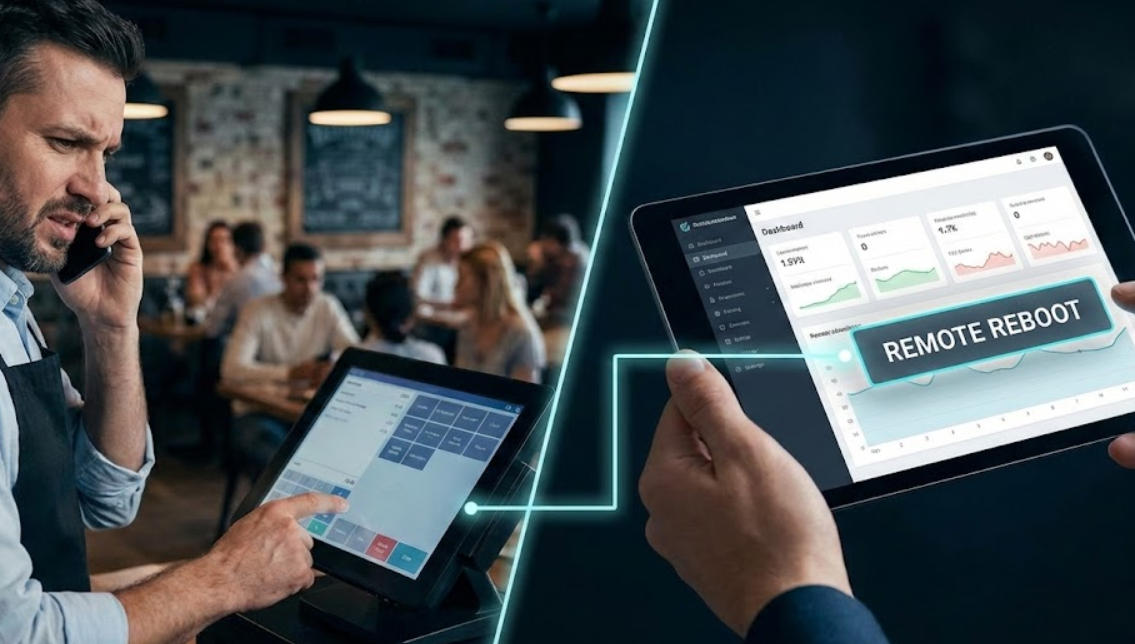
    In the world of automated retail and hospitality, a "System Out of Order" sign is more than a technical glitch—it is a lost revenue opportunity and a blow to customer trust. As self-service kiosks, like the Aonpos APK06 Series, become more complex with integrated printers, scanners, and NFC readers, the risk of software "hangs" increases. To achieve maximum uptime, businesses must move beyond high-quality hardware and implement robust software fail-safes. Here is a deep dive into the software mechanisms that prevent system freezes and keep your kiosks running 24/7. 1. Implementing Software Watchdog Timers (WDT) A Software Watchdog is the most critical line of defense for unattended terminals. It acts as an independent "guardian" process that monitors the primary application. How it works: Your main kiosk app sends a "heartbeat" signal to the Watchdog at set intervals (e.g., every 30 seconds). If the app freezes due to a memory leak or a coding loop, the heartbeat stops. The Watchdog immediately detects the silence and triggers an automatic restart of the application. The Aonpos Advantage: Devices like the Aonpos Self-Service Payment Kiosk are designed to support advanced Watchdog configurations on both Windows and Android 11, ensuring the system "self-heals" without human intervention. 2. Heartbeat Signals and Remote Monitoring While a local watchdog handles application crashes, a network-level heartbeat ensures the entire system is online. The Mechanism: The kiosk software periodically pings a central management server. If the server fails to receive a ping within a specific window, it alerts the IT team or triggers a remote power cycle via a managed PDU. Pro Tip: Use the Aonpos Kiosk SDK to integrate hardware-level status reporting. This allows your software to monitor not just the OS, but also the health of peripherals like thermal printers and QR scanners, preventing a "partial freeze" where the screen works but the payment terminal is dead. 3. Automated Maintenance and Scheduled Reboots Even the most stable software can suffer from fragmented memory over time. The Solution: Configure Automated Maintenance Windows. Setting your kiosks to perform a full system reboot at 3:00 AM clears the RAM cache, re-initializes peripheral drivers (like the built-in 80mm printers), and installs critical security patches. Best Practice: Ensure your kiosk uses a Unified Write Filter (UWF) on Windows-based Aonpos models. This keeps the OS drive in a "read-only" state, preventing disk corruption—one of the leading causes of long-term system instability. 4. Memory Capping and Resource Quotas System freezes often occur because one process consumes 100% of the CPU or RAM, "choking" the rest of the OS. The Fix: Modern kiosk software should utilize Resource Limits. By capping the kiosk application's RAM usage (e.g., to 70% of available memory), you ensure the Operating System always has enough overhead to remain responsive, allowing remote admin tools to still function even if the main app is struggling. Frequently Asked Questions (FAQ) Q1: Why do self-service kiosks experience system freezes most often? Most freezes are caused by Peripheral Conflicts (unresponsive printer drivers), Memory Leaks (apps consuming RAM over time), or Network Latency (the app "hanging" while waiting for a server response). Aonpos kiosks mitigate these issues through high-performance Intel Core i3/i5/i7 processors and optimized Android 11 firmware. Q2: Can I remotely fix a frozen kiosk? Yes. By using Remote Monitoring and Management (RMM) tools integrated with the Aonpos SDK, administrators can perform "Hard Resets" or "Soft Restarts" from a central dashboard, eliminating the need for expensive on-site technician visits. Q3: Does the Operating System affect stability? Absolutely. Windows 10 IoT and Android 11 are the industry standards for stability. Aonpos offers both configurations, allowing you to choose the platform that best fits your existing software stack while maintaining high availability. Q4: How does a modular hardware design help prevent software crashes? A modular design, like that of the APK06 model, allows peripherals to be isolated. If a printer fails, the software can be configured to simply disable the "Print" button rather than freezing the entire transaction flow, ensuring the kiosk remains partially functional. Summary: The Blueprint for 99.9% Uptime Reliability is a combination of Rugged Hardware and Smart Recovery Software. By combining the industrial-grade build of Aonpos kiosks with mechanisms like Watchdog Timers and scheduled reboots, you can ensure your customers never face a frozen screen.
  • Does the Aonpos Self-Service Machine Support Custom Sizes?
    Does the Aonpos Self-Service Machine Support Custom Sizes? Dec 18, 2025
    When integrating self-service technology into a business, "one size" rarely fits all. Whether you are dealing with limited floor space in a boutique cafe or need a high-visibility terminal in a large shopping mall, the dimensions of your hardware are critical. The Short Answer: Can I Get a Custom-Sized Kiosk? Yes. Aonpos self-service payment kiosks fully support custom sizes and configurations. We provide a range of standard screen sizes—including 15.6-inch, 21.5-inch, and 32-inch models—and offer comprehensive OEM/ODM services to customize the physical footprint, height, and mounting style of the machine to meet your specific spatial requirements. 1. Understanding Your Screen Size Options The "size" of a kiosk is usually defined by its display. At Aonpos, we offer three primary tiers designed for different user experiences: 15.6-inch (Compact): Ideal for desktop use or small-scale countertop ordering where space is at a premium. 21.5-inch (Standard): The industry "sweet spot." Large enough for high-impact visuals but compact enough for wall-mounting. 32-inch (Large Format): Best for high-traffic environments where you want to showcase high-resolution menus or advertisements. Need something else? Through our ODM service, we can discuss specific panel requirements for niche applications. 2. Beyond the Screen: Customizing the Physical Footprint The "size" of a self-service machine isn't just about the screen; it’s about how it fits into your architecture. We offer three main form factors that can be adjusted: Wall-Mounted Kiosks: Zero-footprint solutions that save floor space. We can customize the depth of the enclosure to ensure it complies with local accessibility or safety regulations. Floor-Standing Kiosks: We can adjust the height of the pedestal to ensure ergonomic comfort for your specific demographic (e.g., lower heights for children’s play centers or standard heights for retail). Desktop/Countertop Kiosks: Compact bases designed to sit alongside traditional POS systems. 3. How Peripherals Affect Kiosk Size A unique feature of the Aonpos Kiosk Series is the modular peripheral support. Adding hardware will change the profile of your machine: Printers: Choice of 58mm or 80mm thermal printers. Payment Terminals: Custom brackets to fit your specific POS provider (Ingenico, Verifone, etc.). Scanners: Integrated 1D/2D barcode and QR code scanners. Cameras: Optional 3D face-recognition cameras for secure payments. Pro Tip: If you have a specific peripheral that must be integrated, our engineering team can modify the kiosk housing to fit that device perfectly. 4. Why Choose a Bespoke Size for Your Business? Opting for a custom-sized self-service machine provides several strategic advantages: Space Optimization: Maximize revenue per square foot by fitting kiosks into "dead zones" like pillars or narrow hallways. Brand Consistency: We can customize the color, logo, and physical shape to match your interior design. Improved UX: Placing the screen at the exact "eye-line" of your customers reduces fatigue and increases order accuracy. Frequently Asked Questions (FAQ) What is the lead time for a custom-sized kiosk? Standard models are available for rapid shipping. For custom OEM/ODM designs involving structural changes, the timeline typically includes a 1-2 week design phase followed by production. Can I change the height of a floor-standing model? Yes. We can modify the pedestal height during the manufacturing process to ensure it meets your specific ergonomic needs or ADA compliance requirements. Does a custom size affect the software? No. Our kiosks support Windows and Android operating systems. The software automatically scales to fit the resolution of the chosen screen size, ensuring a seamless user experience.
  • What are the different installation options for self-service kiosks? (Wall-mounted / Freestanding / Desktop)
    What are the different installation options for self-service kiosks? (Wall-mounted / Freestanding / Desktop) Dec 17, 2025
    In the modern business landscape, efficiency is everything. Integrating a self-service payment kiosk can reduce labor costs, eliminate long queues, and improve order accuracy. However, choosing the right hardware is only half the battle—choosing the right installation method is what determines how effectively your customers interact with your brand. At Aonpos, our flagship modular solutions like the APK06 Series are designed to adapt to various environments. Below, we break down the three primary installation options to help you decide which is right for your space. 1. Wall-Mounted Kiosks: The Ultimate Space Saver Wall-mounted kiosks are directly attached to a vertical surface, making them the gold standard for high-traffic areas with limited floor space. Best For: Narrow hallways, small retail shops, and pharmacies. The Aonpos Advantage: Our wall-mount-ready terminals feature sleek, durable aluminum designs that blend seamlessly into modern décor. Why Choose It? Zero Footprint: Frees up 100% of your floor space for customer movement. High Security: Being bolted to a structural wall makes these units nearly impossible to tamper with or move. Custom Height: You can install them at the perfect ergonomic height for your specific customer base, including ADA-compliant heights for accessibility. 2. Freestanding Kiosks: Maximum Visibility & Functionality Freestanding (or floor-standing) kiosks are independent structures that stand on a pedestal or base. They are "beacons" that naturally draw customer attention in open areas. Best For: Large restaurant lobbies, airport check-ins, and shopping mall wayfinding. The Aonpos Advantage: The Aonpos Floor Stand Ordering Kiosk supports large screen sizes (up to 32 inches) and can house heavy-duty 80mm thermal printers and NFC payment modules within the stand itself. Why Choose It? 360-Degree Visibility: They catch the eye from across a large room, encouraging "self-service first" behavior. Component Storage: The large base allows for more peripherals, such as cash recyclers or high-capacity ticket printers. Flexibility: While stable, they can be repositioned during store renovations without structural wall repairs. 3. Desktop & Countertop Kiosks: Portable & Versatile Desktop kiosks sit on existing counters or desks. They are ideal for businesses that want to modernize their Point of Sale (POS) without a full construction project. Best For: Cafés, hotel receptions, and boutique "manned" service counters. The Aonpos Advantage: Our APK06 Modular Desktop Kiosk is a groundbreaking device. Its modular design allows businesses to swap out screens (15.6" to 23.8") and components to meet changing needs. Why Choose It? Lowest Installation Cost: Simply place it on the counter and plug it in. No drilling or structural work required. Human-Tech Hybrid: Perfect for environments where a staff member is nearby to assist, creating a more personalized high-tech experience. Waterproof Options: Aonpos offers waterproof modern designs, essential for the demanding food and beverage industry. Comparison Table: At-a-Glance Feature Wall-Mounted Freestanding Desktop / Countertop Space Required Minimal (0 Floor Space) Significant Floor Space Moderate Counter Space Installation Difficulty Medium (Professional) Medium (Assembly) Low (Plug-and-Play) Visibility Moderate Very High Low/Moderate Typical Screen Sizes 15.6" - 21.5" 21.5" - 32" 15.6" - 23.8" Aonpos Model APK07 / PK1851 APK06 / Floor Stand APK06 Desktop Frequently Asked Questions (FAQ) Q: Can one kiosk support multiple installation types? A: Yes! The Aonpos APK06 is a modular system. It is specifically designed to be "groundbreaking" by allowing the same core unit to be deployed as either a desktop or a floor-standing model, depending on the modules you choose. Q: How do I handle cable management for a clean look? A: For wall-mounted and freestanding units, Aonpos kiosks feature internal routing channels. This hides power and internet cables inside the enclosure, preventing accidental unplugging and maintaining a professional aesthetic. Q: What technical specs should I look for in a payment kiosk? A: Ensure your kiosk has a capacitive touch screen for responsiveness, a high-performance CPU (like the i3/i5 or RK3568 options in the APK series), and integrated NFC/Printer support to handle all-in-one transactions. Conclusion Choosing between wall-mounted, freestanding, or desktop kiosks depends on your floor plan and customer flow. Whether you need the space-saving power of a wall-mount or the modular flexibility of the Aonpos APK06, we have the hardware to scale your business. Explore the full Aonpos Self-Service Kiosk Range Here
1 2

ما مجموعه 2الصفحات

تحتاج مساعدة؟ دردش معنا

ترك رسالة
لأي طلب معلومات أو دعم فني ، املأ النموذج. جميع الحقول التي تحمل علامة النجمة * مطلوبة.
يُقدِّم

بيت

منتجات

whatsApp

اتصال